Author: settingupdantaline

  • The Tea Gardens of Sylhet: A Journey Through Green Paradise

    The Tea Gardens of Sylhet: A Journey Through Green Paradise

    The tea gardens of Sylhet represent one of Bangladesh’s most picturesque and economically important regions. Rolling hills covered in perfectly manicured tea bushes create a landscape that is both beautiful and productive, offering visitors a glimpse into the country’s colonial heritage and modern agricultural practices.

    Established during the British colonial period, these tea gardens have evolved into sophisticated agricultural enterprises while maintaining their scenic beauty. The sight of tea pickers carefully selecting the finest leaves against the backdrop of misty hills creates an almost magical atmosphere.

    The region’s unique microclimate, with its abundant rainfall and moderate temperatures, provides ideal conditions for growing high-quality tea. Different estates produce distinct varieties, each with its own flavor profile and characteristics that reflect the specific terroir of their location.

    Visitors to the tea gardens can experience the complete tea production process, from leaf picking to final packaging. Many estates offer guided tours that include tea tasting sessions, allowing visitors to appreciate the subtle differences between various grades and types of tea produced in the region

  • Traditional Arts and Crafts of Rural Bangladesh

    Traditional Arts and Crafts of Rural Bangladesh

    Rural Bangladesh is home to some of the world’s finest traditional arts and crafts, with techniques and designs that have been preserved and passed down through countless generations. These artistic traditions reflect the country’s rich cultural heritage and the creative spirit of its people.

    From the intricate patterns of Jamdani weaving to the delicate art of Shital Pati (cool mat) making, each craft tells a story of skill, patience, and cultural identity. Village artisans continue to create beautiful works using traditional methods, often with tools and techniques that remain unchanged for centuries.

    The pottery of Rayer Bazar, the brass work of Dhamrai, and the wood carvings of Comilla represent just a few examples of the diverse artistic traditions found throughout the country. Each region has developed its own distinctive style and specialization, creating a rich tapestry of creative expression.

    These traditional crafts not only serve aesthetic purposes but also play important economic and social roles in rural communities. They provide livelihoods for countless families and help preserve cultural identity in an increasingly globalized world.

  • Cox’s Bazar: The World’s Longest Natural Sea Beach

    Cox’s Bazar: The World’s Longest Natural Sea Beach

    Cox’s Bazar boasts the distinction of having the world’s longest natural sea beach, stretching over 120 kilometers of unbroken sandy coastline. This magnificent beach destination offers visitors an unparalleled experience of natural beauty, cultural richness, and recreational opportunities.

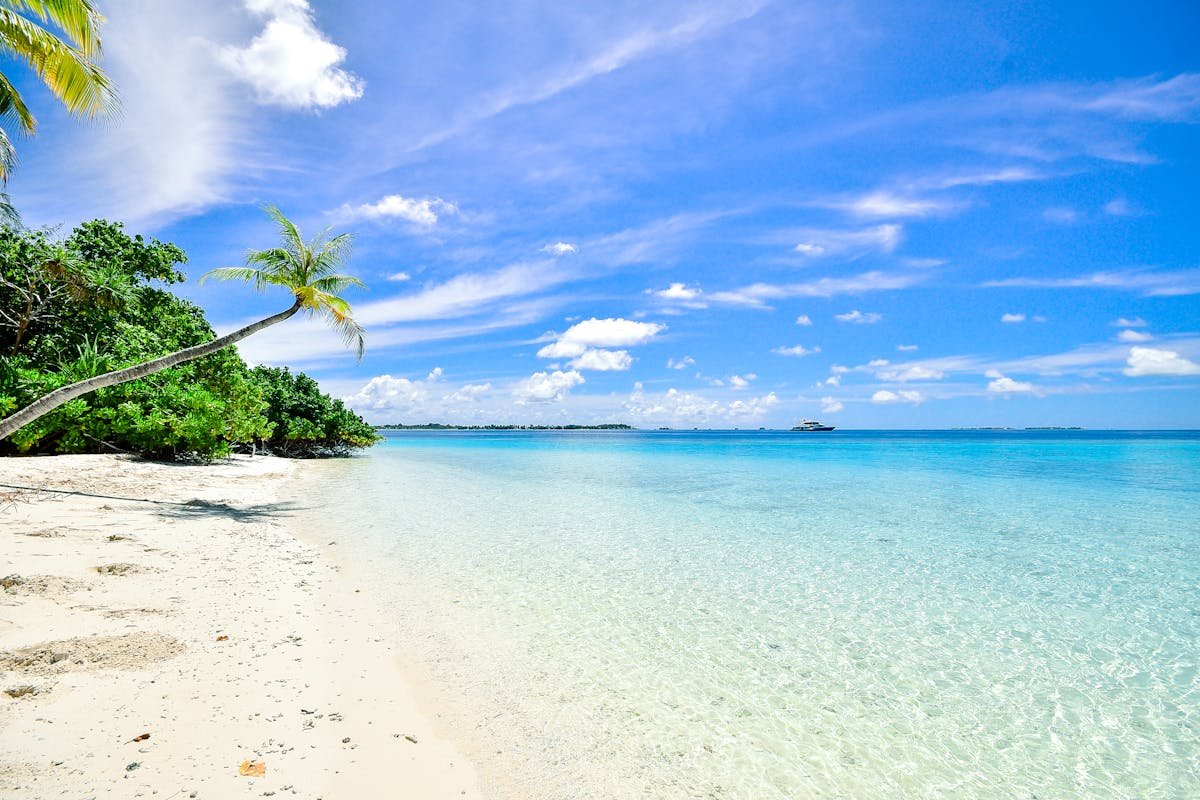
    The beach’s golden sands meet the azure waters of the Bay of Bengal, creating a spectacular vista that changes throughout the day. Sunrise and sunset views from Cox’s Bazar are particularly breathtaking, with the sky painted in brilliant hues of orange, pink, and purple reflecting on the gentle waves.

    Beyond its natural beauty, Cox’s Bazar serves as a gateway to experiencing the local culture and traditions of the coastal communities. Fresh seafood, traditional boat rides, and local handicrafts offer visitors authentic experiences that showcase the region’s maritime heritage.

    The area also provides excellent opportunities for water sports, beach activities, and eco-tourism. Nearby attractions include Buddhist temples, tribal villages, and wildlife sanctuaries that add cultural and educational dimensions to any visit.

  • Discovering the Sundarbans: World’s Largest Mangrove Forest

    Discovering the Sundarbans: World’s Largest Mangrove Forest

    The Sundarbans, a UNESCO World Heritage Site, represents one of the world’s most remarkable ecosystems. This vast mangrove forest spans across Bangladesh and India, creating a unique habitat that supports an incredible diversity of wildlife, including the famous Royal Bengal Tiger.

    Navigating through the intricate network of waterways, visitors are transported into a world where nature reigns supreme. The forest’s complex ecosystem includes over 200 species of trees, countless varieties of birds, and numerous aquatic species that have adapted to the brackish water environment.

    The local communities living on the fringes of the Sundarbans have developed a sustainable relationship with this delicate ecosystem. Their traditional practices and deep understanding of the forest’s rhythms offer valuable lessons in conservation and environmental stewardship.

    Adventure tourism in the Sundarbans includes boat trips through narrow creeks, bird watching expeditions, and if you’re fortunate, tiger spotting opportunities. The experience is both thrilling and humbling, reminding visitors of the importance of preserving these precious natural habitats.

  • The Ultimate Guide to Street Food in Dhaka

    The Ultimate Guide to Street Food in Dhaka

    Dhaka’s street food scene is a vibrant tapestry of flavors, aromas, and culinary traditions that have been passed down through generations. From the bustling streets of Old Dhaka to the modern avenues of the city center, food vendors serve up an incredible variety of dishes that represent the heart and soul of Bangladeshi cuisine.

    The city’s street food culture is deeply rooted in its history and social fabric. Every corner tells a story through its unique offerings, whether it’s the famous fuchka (pani puri) stands that draw long queues of eager customers, or the sizzling kebab grills that fill the evening air with irresistible aromas.

    Traditional favorites like biryani, haleem, and various types of curry are served alongside modern fusion creations that blend local ingredients with international influences. The affordability and authenticity of street food make it accessible to people from all walks of life, creating a democratic dining experience that brings communities together.

  • Exploring the Majestic Mountains of Bangladesh

    Exploring the Majestic Mountains of Bangladesh

    Bangladesh offers many tourist attractions, including archaeological sites, historical mosques and monuments, longest natural beach in the world, picturesque landscape, hill forests and wildlife, rolling tea gardens and tribes. Tourists find the rich flora and fauna and colorful tribal life very enchanting.

    Bangladesh offers many tourist attractions, including archaeological sites, historical mosques and monuments, longest natural beach in the world, picturesque landscape,

    hill forests and wildlife, rolling tea gardens and tribes. Tourists find the rich flora and fauna and colorful tribal life very enchanting.

    The country’s diverse landscape ranges from the world’s largest mangrove forest, the Sundarbans, to the rolling hills of Chittagong Hill Tracts. Adventure seekers can explore ancient Buddhist monasteries, trek through lush green valleys, and experience the unique culture of indigenous communities.

    Bangladesh’s rich history is reflected in its numerous archaeological sites, including the ancient Buddhist Vihara at Paharpur and the historic mosque city of Bagerhat. The country’s culinary traditions offer an incredible variety of flavors, from spicy curries to sweet desserts that reflect its cultural diversity.

    The hospitality of the Bangladeshi people is legendary, making every visitor feel welcome and at home. Whether you’re interested in history, culture, adventure, or simply relaxing on pristine beaches, Bangladesh offers something for every type of traveler.